


Are bird nets biodegradable?
As a bird net supplier, I often encounter various questions from customers, and one of the frequently asked questions is whether bird nets are biodegradable. This is an important topic, not only because of the increasing global concern for environmental protection but also because it directly affects customers' purchasing decisions. In this blog, I will delve into the biodegradability of bird nets, explore the materials used in their production, and discuss the environmental impact of different types of bird nets.
Understanding Biodegradability
Before we discuss whether bird nets are biodegradable, it's essential to understand what biodegradability means. Biodegradability refers to the ability of a material to be broken down by natural processes, such as the action of microorganisms like bacteria, fungi, and algae. When a material is biodegradable, it can be decomposed into natural substances like water, carbon dioxide, and biomass over time. This process is crucial for reducing waste and minimizing the environmental impact of human activities.
Materials Used in Bird Nets
Bird nets are typically made from a variety of materials, each with its own characteristics and biodegradability. Here are some common materials used in the production of bird nets:
-
Polyethylene (PE): Polyethylene is one of the most widely used materials in bird net production. It is a synthetic polymer that is known for its durability, strength, and resistance to weather conditions. However, polyethylene is not biodegradable. It can persist in the environment for hundreds of years, contributing to plastic pollution. When polyethylene bird nets are discarded, they can end up in landfills, oceans, or other natural habitats, posing a threat to wildlife and ecosystems.
-
Polypropylene (PP): Polypropylene is another synthetic polymer commonly used in bird nets. Like polyethylene, polypropylene is also non - biodegradable. It has similar properties to polyethylene, such as high strength and resistance to chemicals and weathering. The non - biodegradable nature of polypropylene means that discarded polypropylene bird nets can accumulate in the environment, causing long - term environmental problems.

-
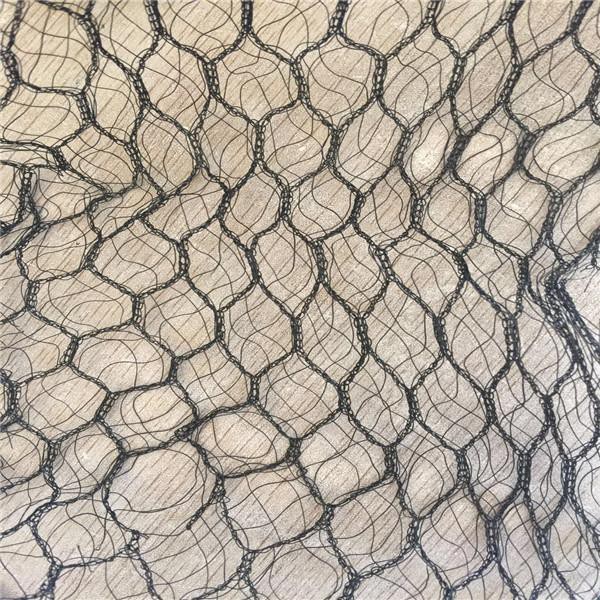
Nylon: Nylon is a synthetic fiber that is often used in high - quality bird nets. It is known for its excellent strength, elasticity, and abrasion resistance. However, nylon is also non - biodegradable. It can take decades or even centuries to break down in the environment, and its presence in the ecosystem can have negative impacts on wildlife and soil quality.
-
Biodegradable Polymers: In recent years, there has been an increasing interest in developing biodegradable bird nets. Some manufacturers are using biodegradable polymers, such as polylactic acid (PLA), which is derived from renewable resources like corn starch or sugarcane. PLA is biodegradable under certain conditions, such as in industrial composting facilities. However, the widespread use of biodegradable polymer bird nets is still limited due to factors such as higher production costs and lower durability compared to traditional synthetic materials.
Environmental Impact of Non - Biodegradable Bird Nets
The use of non - biodegradable bird nets has several environmental impacts:
-
Wildlife Entanglement: Non - biodegradable bird nets can pose a significant threat to wildlife. Birds, bats, and other animals can become entangled in the nets, leading to injury or death. These nets can also entangle marine animals if they end up in the ocean, causing harm to fish, turtles, and other marine life.
-
Landfill Accumulation: When non - biodegradable bird nets are discarded, they often end up in landfills. Landfills are already facing challenges with the increasing amount of waste, and non - biodegradable materials like plastic bird nets only exacerbate the problem. These nets take up valuable space in landfills and do not break down over time.
-
Microplastic Pollution: Over time, non - biodegradable bird nets can break down into smaller pieces called microplastics. These microplastics can enter the soil, water, and air, and can be ingested by wildlife and humans. Microplastics have been linked to various health problems in animals and humans, including reproductive issues, immune system disorders, and cancer.
The Future of Biodegradable Bird Nets
Despite the current dominance of non - biodegradable bird nets in the market, there is a growing demand for more environmentally friendly alternatives. As consumers become more aware of the environmental impact of their purchases, the demand for biodegradable bird nets is likely to increase.
Manufacturers are investing in research and development to improve the performance and reduce the cost of biodegradable bird nets. For example, they are exploring new ways to enhance the durability of biodegradable polymers and develop more efficient production processes.
In addition, governments and environmental organizations are also promoting the use of biodegradable materials through regulations and incentives. For instance, some countries are implementing plastic reduction policies that encourage the use of biodegradable products.
Our Offerings as a Bird Net Supplier
As a bird net supplier, we understand the importance of environmental protection. While we currently offer a wide range of bird nets made from traditional materials like polyethylene and polypropylene, we are also exploring the possibility of adding biodegradable bird nets to our product line.
We believe that by providing customers with more sustainable options, we can contribute to the protection of the environment. Our non - biodegradable bird nets are designed to be of high quality and durability, ensuring that they can serve their purpose for a long time, reducing the need for frequent replacements.
If you are looking for a reliable bird net for your garden, we also offer an Anti Hail System Anti Hail Net For Garden. This net not only protects your plants from birds but also provides protection against hail, making it a versatile solution for your gardening needs.
Contact Us for Purchasing and Discussion
If you are interested in our bird nets or have any questions about their biodegradability, environmental impact, or other aspects, please feel free to contact us. We are more than happy to have in - depth discussions with you, understand your specific requirements, and provide you with the best - suited bird net solutions. Whether you need a small - scale net for your backyard garden or a large - scale net for an agricultural field, we can offer professional advice and high - quality products.
References
- "Plastic Pollution: A Global Crisis." National Geographic Society.
- "Biodegradable Polymers: An Overview." Journal of Polymer Science.
- "Environmental Impact of Synthetic Fibers in Textiles." Environmental Science and Technology.


