


Qingdao Byron Broad Machinery Co.,Ltd is a professional factory to make rigging hardware, electric power fittings, concrete forming hardware and other OEM etc, the factory covers an area of 10,000 square meters and its architectural area is 5,000 square meters, it has over 150 staff, including 5 engineers, 15 specialized Technician, two forging workshops, one mold workshop, main equipment is /630T/400T/300T/160T forging machine, air hammer, heating furnace, rolling machine, tapping machine, blasting machine and also we have welding machine and CNC machining workshop to do more process Main products comprise Building Concrete Products(coil rod ,coil insert ,coil tie ,coil cone ,jack ,nut ,plate,scaffolding accessory,foot anchor ,lifting anchor ) Poleline accessories, Powerline fittings( like anchor rod,ground screw anchor ,no wrench anchor rod,screw anchor ,helix anchor rod ,helix pile ), anti hail accessory (wire tensioner,anchoring clamp,wire tender,wire collar wire rope ,wire strand , anti hail net,wire anchor clamp ,wire stretcher),Rigging hardware(shackle, turnbuckle ,and wire rope clip) other OEM items.
Why Choose Us?
High quality
Our products are manufactured or executed to very high standards, using the finest materials and manufacturing processes.
Competitive Price
We offering a higher-quality product or service at an equivalent price. As a result we have a growing and loyal customer base.
Rich experience
Our company has many years of production work experience. The concept of customer-oriented and win-win cooperation makes the company more mature and stronger.
Global shipping
Our products support global shipping and the logistics system is complete, so our customers are all over the world.
After-sale service
Professional and thoughtful after -sales team, let you worry about us after -sales Intimate service, strong after -sales team support.
Advanced equipment
A machine, tool or instrument designed with advanced technology and functionality to perform highly specific tasks with greater precision, efficiency and reliability.
-
![Malleable Iron Din1142 Wire Rope Clips]() Malleable Iron Din1142 Wire Rope ClipsProducts Description Wire rope clip is otherwise known as a wire rope clamp, wire cable clamp, wire clamp, wire clip, U-bolt, etc. It is widely used for making eye-loop connections or join two wire
Malleable Iron Din1142 Wire Rope ClipsProducts Description Wire rope clip is otherwise known as a wire rope clamp, wire cable clamp, wire clamp, wire clip, U-bolt, etc. It is widely used for making eye-loop connections or join two wire -
![Din1142 Wire Rope Clip]() Din1142 Wire Rope ClipProducts Description Wire rope clip is otherwise known as a wire rope clamp, wire cable clamp, wire clamp, wire clip, U-bolt, etc. It is widely used for making eye-loop connections or join two wire
Din1142 Wire Rope ClipProducts Description Wire rope clip is otherwise known as a wire rope clamp, wire cable clamp, wire clamp, wire clip, U-bolt, etc. It is widely used for making eye-loop connections or join two wire -
![Japanese JIS Frame Open Body Turnbuckle]() Japanese JIS Frame Open Body TurnbucklePRODUCT DESCRIPTION The japanese jis frame open body turnbuckle is an elastic band that is suitable for Japanese standard size. JIS frame screws in Japan are made from forged bodies.The galvanized
Japanese JIS Frame Open Body TurnbucklePRODUCT DESCRIPTION The japanese jis frame open body turnbuckle is an elastic band that is suitable for Japanese standard size. JIS frame screws in Japan are made from forged bodies.The galvanized -
![Galvanized Eye Hook Turnbuckle]() Galvanized Eye Hook TurnbucklePRODUCT DESCRIPTION Hook Eye Turnbuckles are ideal fasteners for projects requiring tensioners or turnbuckles for stainless steel wire rope. With a welded eye on one end, and an open hook on the
Galvanized Eye Hook TurnbucklePRODUCT DESCRIPTION Hook Eye Turnbuckles are ideal fasteners for projects requiring tensioners or turnbuckles for stainless steel wire rope. With a welded eye on one end, and an open hook on the -
![Forged Galvanized DIN 741 Guy Wire Cable Clips]() Forged Galvanized DIN 741 Guy Wire Cable ClipsCorrect layout method of steel guy wire cable clips shall be deducted according to the figure a holder on the wire rope work period, u bolt buckle in the late of steel guy wire cable clips, steel
Forged Galvanized DIN 741 Guy Wire Cable ClipsCorrect layout method of steel guy wire cable clips shall be deducted according to the figure a holder on the wire rope work period, u bolt buckle in the late of steel guy wire cable clips, steel -
![US Type Self Color and Galvanized Anchor Shackle U Bolt Shackle]() US Type Self Color and Galvanized Anchor Shackle U Bolt ShackleProduct Description US type self color and galvanized anchor shackle U bolt shackle US type screw pin shackle also called US type anchor shackle . US type U bolt shackle is mainly export to United
US Type Self Color and Galvanized Anchor Shackle U Bolt ShackleProduct Description US type self color and galvanized anchor shackle U bolt shackle US type screw pin shackle also called US type anchor shackle . US type U bolt shackle is mainly export to United -
![US Type Square Head Self Color Trawling Shackle, European Trawling Shackle ,quick Release Shackle Shackle with Square Head Screw Pin]() US Type Square Head Self Color Trawling Shackle, European Trawling Shackle ,quick Relea...Product Description US type square head self color trawling shackle ,european trawling shackle ,quick release shackle Shackle with Square Head Screw Pin US type square head shackle is mainly export
US Type Square Head Self Color Trawling Shackle, European Trawling Shackle ,quick Relea...Product Description US type square head self color trawling shackle ,european trawling shackle ,quick release shackle Shackle with Square Head Screw Pin US type square head shackle is mainly export -
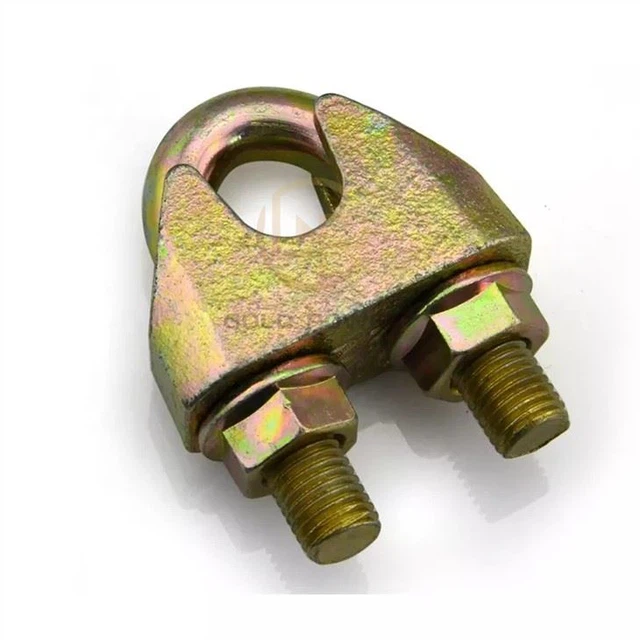
![DIN1142 Malleable Steel Yellow Zinc Plated Wire Rope Clip for Rigging Hardware Wire Rope Clamp for Cable]() DIN1142 Malleable Steel Yellow Zinc Plated Wire Rope Clip for Rigging Hardware Wire Rop...Product Description DIN1142 malleable steel yellow zinc plated wire rope clip for rigging hardware wire rope clamp for cable hardware Din1142 is a German standard of wire clamp .body is made by
DIN1142 Malleable Steel Yellow Zinc Plated Wire Rope Clip for Rigging Hardware Wire Rop...Product Description DIN1142 malleable steel yellow zinc plated wire rope clip for rigging hardware wire rope clamp for cable hardware Din1142 is a German standard of wire clamp .body is made by -
![US Type G450 Drop Forged U Bolt Cable Clamp Wire Rope Clip Wires Steel Rope Clamp Wire Rope Ends]() US Type G450 Drop Forged U Bolt Cable Clamp Wire Rope Clip Wires Steel Rope Clamp Wire ...Product Description US type G450 drop forged U bolt cable clamp wire rope clip wires steel rope clamp wire rope ends US type G450 U bolt cable clamp is a America standard of wire clamp .The material
US Type G450 Drop Forged U Bolt Cable Clamp Wire Rope Clip Wires Steel Rope Clamp Wire ...Product Description US type G450 drop forged U bolt cable clamp wire rope clip wires steel rope clamp wire rope ends US type G450 U bolt cable clamp is a America standard of wire clamp .The material -
![US Type Heavy Duty Drop Forged Hook and Eye Type /eye Eye Turnbuckle Tensioner Rigging Screw and Wire Rope Turnbuckle for Adjustable]() US Type Heavy Duty Drop Forged Hook and Eye Type /eye Eye Turnbuckle Tensioner Rigging ...Product Description US type heavy duty drop forged Jaw Jaw type /eye eye turnbuckle rigging screw and wire rope turnbuckle turnbuckle tensioner rigging screw and wire rope turnbuckle for adjustable
US Type Heavy Duty Drop Forged Hook and Eye Type /eye Eye Turnbuckle Tensioner Rigging ...Product Description US type heavy duty drop forged Jaw Jaw type /eye eye turnbuckle rigging screw and wire rope turnbuckle turnbuckle tensioner rigging screw and wire rope turnbuckle for adjustable


What is Rigging?
Rigging is the act of moving, securing or putting down a load, while using the appropriate mechanical shifting equipment. It also involves erecting and dismantling cranes and hoists.
To move a load, riggers use equipment like cranes and hoists or other machinery like chain blocks and winch systems. Rigging can be a complex operation, and there are many different factors that a rigger needs to consider when moving a load. They have to know the exact safest way to move a load before they lift it, and then handle and place the load correctly.
Benefits of Rigging
Efficiency
Rigging systems allow for the efficient control and manipulation of heavy loads, such as sails on a ship or equipment in a construction site, with minimal effort.
Safety
Properly designed and maintained rigging systems can help prevent accidents and injuries by providing secure support for loads. This is particularly important in industries like construction and shipping where heavy equipment and materials must be moved and supported safely.
Versatility
Rigging systems can be adapted to a wide range of applications and loads, allowing for flexibility in how and where materials are moved and supported.
Control
Rigging systems provide precise control over the movement of loads, allowing for precise positioning and maneuvering.
Reduced labor costs
By automating the lifting and moving of heavy loads, rigging can reduce the number of workers needed to perform a task, potentially saving on labor costs.
Increased load capacity
Rigging systems are typically designed to handle much larger loads than could be lifted by hand, enabling the handling of heavy equipment and materials.
Durability
Well-designed and maintained rigging systems are built to last, withstanding the stresses of heavy loads and harsh environments.
Flexibility in configuration
Rigging systems can be easily reconfigured to suit different tasks and loads, allowing for adaptability to changing work situations.
Enhanced performance
In the context of sailing, a well-designed rigging system can improve a vessel's speed and maneuverability, contributing to its overall performance.
Regulatory compliance
In many industries, the use of rigging systems helps comply with safety regulations and standards, reducing the risk of legal issues and fines.
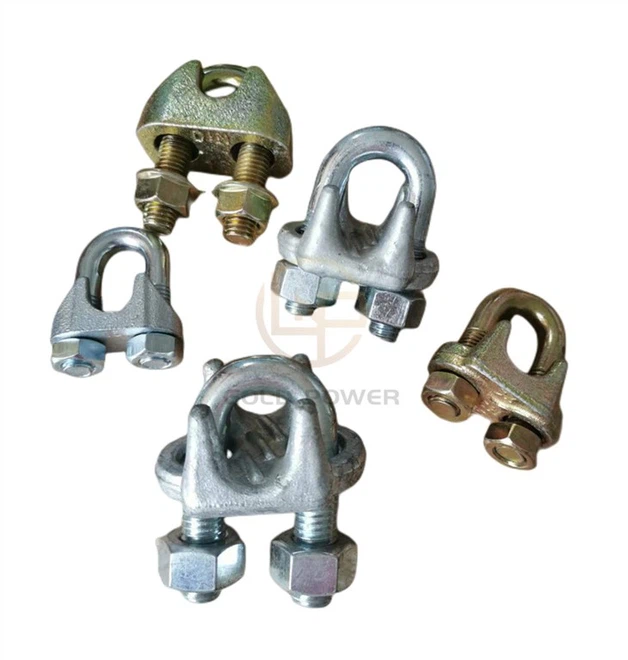
Types of Rigging
Maritime rigging
This type of rigging is used on sailing vessels to control the masts, sails, and other movable parts of the ship. It includes equipment such as blocks, pulleys, sheets, halyards, and braces.
Aircraft rigging
In the aviation industry, rigging involves the assembly and maintenance of the aircraft's movable surfaces, such as flaps, ailerons, rudders, and landing gear. It requires specialized knowledge and skills to ensure the aircraft's performance and safety.
Stage and event rigging
This type of rigging is used in the entertainment industry to support and manipulate lighting, sound, and stage equipment such as curtains, scenery, and special effects. It includes the use of trusses, winches, counterweights, and safety equipment.
Industrial rigging
Industrial rigging involves the movement and installation of heavy equipment and machinery in industrial settings. It requires the use of specialized lifting equipment, such as cranes and forklifts, and follows strict safety protocols to prevent accidents and injuries.
Construction rigging
In the construction industry, rigging refers to the processes involved in lifting, moving, and placing heavy materials and equipment. This includes the use of hoists, cables, and other equipment to support the construction process.
Athletic rigging
In sports, rigging is used to support and stabilize equipment such as goals, backstops, and nets. It is critical to ensure the safety of athletes and spectators during games and competitions.
Application of Rigging
Maritime industry
In sailing vessels, rigging supports masts and other parts, allowing the sails to be adjusted according to wind conditions.
Aerospace industry
Rigging is used in aircraft assembly to install movable surfaces such as control surfaces and landing gear.
Entertainment industry
In theaters and live events, rigging is used to support lighting, sound, and stage equipment, including curtains, scenery, and special effects.
Construction industry
Rigging is used to lift, move, and place heavy materials and equipment during construction projects.
Mining industry
Rigging is used in mining operations to support the movement and installation of heavy machinery and equipment.
Oil and gas industry
In the oil and gas industry, rigging is used in offshore drilling platforms to support the movement and installation of equipment.
Athletics
In sports, rigging is used to support and stabilize equipment such as goals, backstops, and nets in various sports, including basketball, soccer, and volleyball.
Heavy lifting
Rigging is used for heavy lifting operations, such as lifting heavy loads in industrial settings or during salvage operations.
Transportation
In transportation, rigging is used to support the movement and installation of components in vehicles, such as buses, trucks, and trailers.
Wind energy
In the wind energy industry, rigging is used to support the installation and maintenance of wind turbines.
Components of Rigging
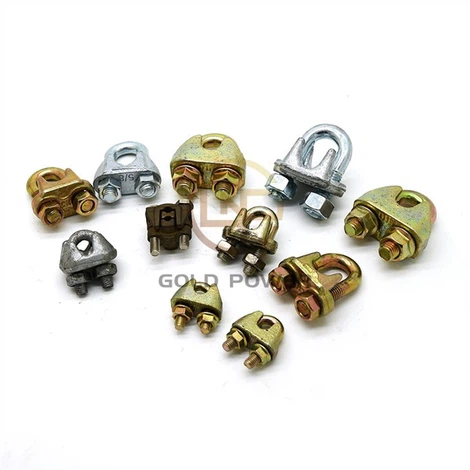
01.Ropes and cables
02.Blocks and pulleys
03.Hooks
04.Shackles
05.Slings
06.Swivels
07.Safety equipment
08.Lifting beams and spreaders
09.Winches and hoists
10.Brackets and clamps
Material of Rigging
-
Steel: Steel is a strong and durable material that is commonly used in rigging systems. It is resistant to wear and can withstand high loads. Steel cables, chains, and hooks are commonly used in rigging applications.
-
Synthetic materials: Synthetic materials, such as nylon and polyester, are also commonly used in rigging. These materials are lightweight and have a high strength-to-weight ratio. They are also resistant to abrasion and have a good fatigue life. Synthetic materials are commonly used in slings and web straps.
-
Aluminum: Aluminum is a lightweight material that is commonly used in the manufacture of pulleys, blocks, and other rigging components. It is resistant to corrosion and has a high strength-to-weight ratio.
-
Stainless steel: Stainless steel is a corrosion-resistant material that is commonly used in marine and offshore rigging applications. It has a high strength-to-weight ratio and is resistant to saltwater and other harsh environments.
-
Wood: Wood is sometimes used in traditional sailing vessels for components such as masts and spars. It is lightweight and has a high strength-to-weight ratio, but it is not as durable as other materials and can be prone to rot and decay.
How to Maintain Rigging
Regular inspections: Conduct regular inspections of all rigging components, including cables, chains, hooks, slings, and pulleys. Check for signs of wear, damage, or corrosion. Follow the manufacturer's guidelines for inspection intervals and procedures.
Immediate repairs: Repair or replace any damaged or worn components immediately. Do not use any rigging component that shows signs of damage or failure.
Cleaning: Keep rigging components clean and free of debris. Regular cleaning can help prevent corrosion and extend the life of the equipment.
Lubrication: Lubricate metal components, such as cables and pulleys, to reduce friction and wear. Follow the manufacturer's recommendations for lubricants and application procedures.
Storage: Store rigging equipment in a dry, clean area away from corrosive substances and extreme temperatures. Proper storage can help prevent damage and extend the life of the equipment.
Training: Ensure that all personnel who operate or maintain rigging equipment are properly trained and understand the safety procedures and manufacturer's recommendations for the equipment.
Documentation: Keep accurate records of all maintenance and inspection activities, including dates, findings, and any repairs or replacements made. This documentation can help identify any potential problems and assist with future maintenance and planning.
Use proper techniques: When using rigging equipment, follow proper lifting and securing techniques to avoid damage to the equipment or injury to personnel.
What Is the Working Principle of an Rigging
Rigging works on the principles of mechanical advantage, leverage, and tension.


1. Mechanical advantage: The mechanical advantage of a rigging system is the ratio of the load it can lift (the output force) to the force applied by the operator (the input force). In a rigging system, the mechanical advantage is achieved through the use of pulleys, blocks, and other components that change the direction of forces and increase the amount of force applied to the load.
2. Leverage: Leverage is another principle used in rigging. It involves using long levers or beams to create a point of balance where the force applied is magnified, allowing the operator to lift or move heavy loads with less effort.
3. Tension: Tension is the force that is applied to the ropes, cables, and other components of a rigging system. Tension is created by applying a force to the end of a rope or cable, which creates a pulling force that is transmitted throughout the system. The tension in the system is balanced by the opposing force of the load being lifted or moved.
4. Distributed loads: In a rigging system, the load is distributed across multiple components, such as multiple ropes or cables, which helps to reduce the stress on any single component and increase the overall capacity of the system.
5. Safety factors: Rigging systems are designed with safety factors to ensure that they can withstand loads that are greater than the expected maximum load. This provides a margin of safety in case of unexpected loads or equipment failure.
6. Proper selection and use of components: The proper selection and use of rigging components are critical to the safe and effective operation of the system. The components must be matched to the weight and size of the load, and they must be used correctly to ensure that the system operates as intended.
Products Description
Identify the type of load being lifted, including its weight, size, and shape. This information will help you choose the appropriate rigging components.
Select the material for the rigging components based on the application requirements. Steel is a strong and durable material commonly used in heavy-duty applications, while synthetic materials such as nylon or polyester are more suitable for lighter loads.
The WLL is the maximum weight that a rigging component can safely support. It is important to choose components with a WLL that exceeds the weight of the load being lifted to ensure safety.
Ensure that the rigging components are certified by a reputable organization, such as the Occupational Safety and Health Administration (OSHA) in the United States or the International Organization for Standardization (ISO). Certification ensures that the components meet industry standards for safety and quality.
Inspect the rigging components for signs of wear, damage, or corrosion before using them. This inspection should include checking the WLL, the certification, and any visible defects.
When using rigging equipment, follow proper lifting and securing techniques to avoid damage to the equipment or injury to personnel.
The application requirements will determine the type of rigging equipment needed. For example, a construction site may require heavy-duty steel cables and hooks, while a theatrical performance may require more delicate and flexible synthetic materials.
If you are unsure about the type of rigging equipment needed, consult with experts in the field. They can provide guidance and recommendations based on their experience and knowledge of the industry.

The term "rigger" refers to a person who is skilled in the art of rigging, which is the process of assembling and connecting equipment to allow loads to be lifted and moved safely. A rigger is responsible for the installation, removal, and inspection of rigging equipment to ensure that it is safe and functional for use.
On the other hand, "rigging" refers to the equipment itself, such as cables, chains, slings, pulleys, and other components that are used to lift and secure loads. Rigging is designed to distribute the weight of the load evenly and safely, and it must be selected and used properly to prevent accidents and injuries.
In summary, a rigger is the person who is trained and qualified to work with rigging equipment, while rigging refers to the equipment itself that is used to lift and secure loads.
What Is the Most Important Rule When Rigging and Lifting Is Taking Place?
The most important rule when rigging and lifting is taking place is to ensure the safety of all personnel involved and to prevent accidents and damage to equipment and property. This is achieved through proper planning, training, and adherence to established safety procedures and standards.
-
Conduct a thorough risk assessment before the lifting operation to identify potential hazards and develop appropriate safety measures.
-
Use rigging equipment that meets safety standards, is in good condition, and is appropriate for the load to be lifted.
-
Ensure that all personnel involved in the lifting operation are properly trained and qualified to perform their duties.
-
Follow established procedures and protocols for rigging and lifting, including proper lifting techniques, use of tag lines, and securing the load.
-
Maintain clear communication among all personnel involved in the lifting operation to ensure that everyone is aware of the status of the load and any potential hazards.
-
Use appropriate personal protective equipment (PPE), such as hard hats, safety glasses, and steel-toed boots, to protect personnel from hazards.
-
Inspect the rigging equipment before each use and replace any damaged or worn-out components.
-
Never exceed the working load limit (WLL) of the rigging equipment or attempt to lift a load that is too heavy or too large for the equipment being used.

Our Certificate


Our Factory
Qingdao Gold Power Machinery Co.Ltd is a professional factory to make rigging hardware, electric power fittings, concrete forming hardware and other OEM etc, the factory covers an area of 10,000 square meters and its architectural area is 5,000 square meters.
FAQ
Q: Why is proper rigging important?
Proper crane rigging offers several benefits beyond safety. It increases productivity by enabling efficient lifting and positioning of loads. It also minimizes the risk of damage to the load, crane, and surrounding structures, reducing repair and replacement costs
Q: Why is rigging important in the construction industry?
Q: What is the most important rule when rigging and lifting is taking place?
Never tip-load hooks. Always use a sling or lifting device to rig around loads and use engineered lift points for attachment. Never work under suspended loads or lift loads over people. Never lift people with a hoist.
Q: What is the difference between rigger and rigging?
Q: For which task is rigging most appropriate?
Q: What is dogging in rigging?
Q: What is the single most important rigging precaution to know?
Q: What does OSHA say about rigging?
Q: Who should inspect the rigging?
Q: What is the difference between dogman and rigging?
Q: What is class 4 rigging?
Q: What is the most commonly used piece of rigging equipment?
Q: What should I look for when inspecting rigging?
Q: How often must rigging be inspected?
Q: What is the safety ratio for rigging?
Q: What is the main purpose of rigging?
Q: How many levels of rigging are there?
Q: How do you calculate rigging?
Q: What is the first step in the rigging process?
Q: How long is rigging good for?
Regardless of any external pressure from insurance providers, one consideration should be how long the mast has been stepped and rigged. The decision on how many years is subjective, but is generally acknowledged as being from 10 to 15 years.
Welcome to wholesale custom rigging from our factory here. As one of the leading rigging manufacturers and suppliers in China, we can assure you of its excellent design and good price.
Popular Products


