


As a seasoned guy wire supplier, I've often encountered inquiries from customers seeking alternatives to using guy wires. Guy wires have long been a staple in various industries, providing essential support for structures such as towers, poles, and masts. However, there are situations where alternative solutions may be more suitable, either due to cost, environmental concerns, or specific project requirements. In this blog post, I'll explore some of the alternatives to using guy wires and discuss their advantages and limitations.
1. Ground Screw Anchors
One popular alternative to guy wires is the use of Ground Screw Anchor for Construction. Ground screw anchors are helical-shaped steel rods that are screwed into the ground to provide a stable foundation for structures. They are particularly useful in situations where traditional concrete foundations are not feasible or cost-effective, such as in soft or sandy soils.
Advantages
- Easy Installation: Ground screw anchors can be installed quickly and easily using a simple hand or power tool, without the need for heavy equipment or excavation. This makes them a great option for projects with tight deadlines or limited access.
- Cost-Effective: Compared to traditional concrete foundations, ground screw anchors are generally more cost-effective, as they require less material and labor. They also eliminate the need for curing time, which can further reduce project costs.
- Environmentally Friendly: Ground screw anchors have a minimal impact on the environment, as they do not require excavation or the use of concrete, which can be resource-intensive and generate significant waste.
- Reusable: Ground screw anchors can be easily removed and reused, making them a sustainable option for temporary or mobile structures.
Limitations
- Load Capacity: Ground screw anchors may have a lower load capacity compared to traditional concrete foundations or guy wires, especially in high-wind or seismic areas. It's important to consult with a structural engineer to determine the appropriate size and spacing of ground screw anchors for your specific project.
- Soil Conditions: Ground screw anchors are most effective in soils with good bearing capacity, such as clay, loam, or sand. They may not be suitable for soils with high water content, rock, or other obstructions.
- Corrosion: Ground screw anchors are typically made of steel, which is susceptible to corrosion over time. It's important to choose a high-quality galvanized or coated anchor to prevent corrosion and ensure long-term durability.
2. Anti-Hail Systems
In the agricultural industry, anti-hail systems are often used as an alternative to guy wires to protect crops from hail damage. Anti-hail systems typically consist of a network of cables or nets that are installed over the crop area to intercept and deflect hailstones before they can reach the plants.
Advantages
- Hail Protection: Anti-hail systems provide effective protection against hail damage, which can significantly reduce crop losses and increase yields. They are particularly useful in regions with a high risk of hail storms.
- Versatility: Anti-hail systems can be customized to fit the specific needs of your crop and field. They can be installed on a variety of structures, including poles, frames, or existing buildings.
- Low Maintenance: Anti-hail systems require minimal maintenance, as they are designed to withstand harsh weather conditions and last for many years. They can be easily inspected and repaired if necessary.
Limitations
- Cost: Anti-hail systems can be expensive to install, especially for large-scale operations. The cost of materials, labor, and installation can vary depending on the size and complexity of the system.
- Visibility: Anti-hail systems can reduce visibility in the field, which may be a concern for some farmers. They can also interfere with other agricultural activities, such as spraying or harvesting.
- Wind Resistance: Anti-hail systems may not be as effective in high-wind conditions, as the nets or cables can be damaged or blown away. It's important to choose a system that is designed to withstand the wind speeds in your area.
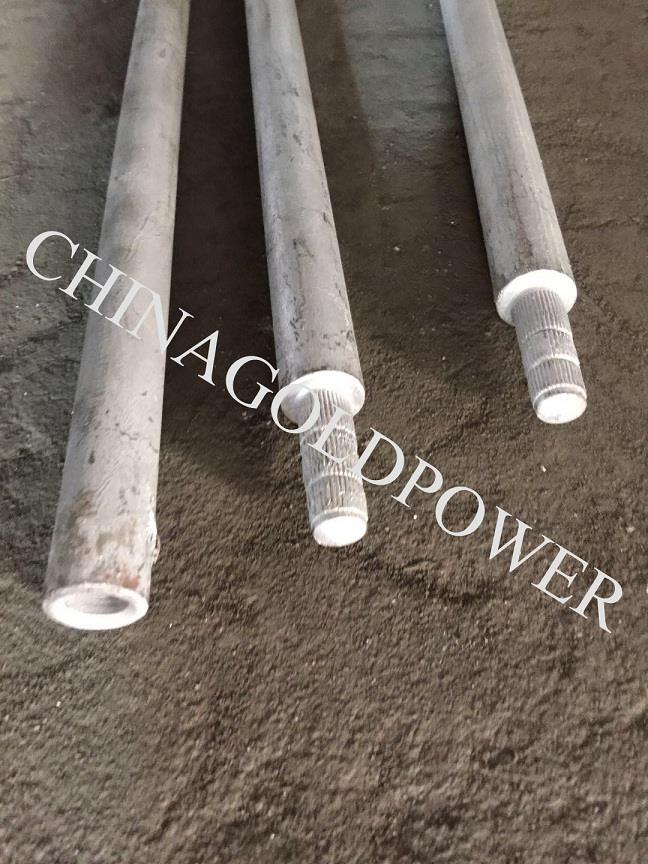
3. Galvanized Earthing Rods
Galvanized earthing rods are another alternative to guy wires that are commonly used in electrical and telecommunications applications. Galvanized earthing rods are metal rods that are driven into the ground to provide a low-resistance path for electrical current to flow into the earth. They are used to protect structures and equipment from lightning strikes, electrical faults, and other electrical hazards.
Advantages
- Lightning Protection: Galvanized earthing rods provide effective protection against lightning strikes, which can cause significant damage to structures and equipment. They are designed to divert the electrical current from the lightning strike safely into the ground, reducing the risk of fire, explosion, or electrical shock.
- Electrical Safety: Galvanized earthing rods help to ensure electrical safety by providing a low-resistance path for electrical current to flow into the earth. This helps to prevent electrical faults and short circuits, which can cause damage to equipment and pose a risk to human life.
- Longevity: Galvanized earthing rods are made of high-quality steel that is coated with a layer of zinc to prevent corrosion. This makes them highly durable and long-lasting, even in harsh environmental conditions.
Limitations
- Installation Requirements: Galvanized earthing rods require proper installation to ensure their effectiveness. They must be driven deep enough into the ground to provide a low-resistance path for electrical current, and they must be connected to the electrical system using appropriate conductors.
- Soil Conditions: The effectiveness of galvanized earthing rods can be affected by the soil conditions in the area. Soils with high resistivity, such as dry sand or rock, may require additional earthing rods or the use of a grounding compound to improve the conductivity.
- Maintenance: Galvanized earthing rods require regular maintenance to ensure their continued effectiveness. They should be inspected periodically for signs of corrosion or damage, and they should be replaced if necessary.
Conclusion
While guy wires are a reliable and widely used method of providing support for structures, there are situations where alternative solutions may be more suitable. Ground screw anchors, anti-hail systems, and galvanized earthing rods are just a few examples of the alternatives available. Each alternative has its own advantages and limitations, and the choice of which solution to use will depend on the specific requirements of your project.

As a guy wire supplier, I'm committed to providing my customers with the best possible solutions for their needs. Whether you're looking for a traditional guy wire system or an alternative solution, I can help you choose the right product and provide you with the support and expertise you need to ensure a successful project.
If you're interested in learning more about our products or discussing your project requirements, please don't hesitate to contact me. I'd be happy to answer any questions you may have and provide you with a free quote.


