


Hey there, fellow farming enthusiasts! I'm an agro net supplier, and I've been getting a bunch of questions lately about whether agro nets can be used in hydroponic farming. So, I thought I'd sit down and write this blog to share my thoughts and insights on the topic.
First off, let's quickly go over what hydroponic farming is. Hydroponics is a method of growing plants without soil, using mineral nutrient solutions in a water solvent. It's a super efficient way to grow crops, as it allows for precise control over the nutrients, water, and light that the plants receive. This often leads to faster growth rates, higher yields, and better-quality produce.
Now, let's talk about agro nets. Agro nets come in various types, each designed for different purposes in agriculture. There are shade nets, insect nets, and Anti Hail System Anti Hail Net For Garden, just to name a few. These nets are made from different materials like polyethylene and are used to protect crops from various environmental factors.
So, can agro nets be used in hydroponic farming? The short answer is yes! In fact, they can be incredibly beneficial in a hydroponic setup.
Shade Nets
Shade nets are one of the most common types of agro nets used in hydroponic farming. In hydroponics, plants are often grown indoors or in greenhouses. While these environments offer a lot of control, they can also get too hot, especially if they're exposed to direct sunlight for long periods. Shade nets can help regulate the amount of sunlight that reaches the plants.

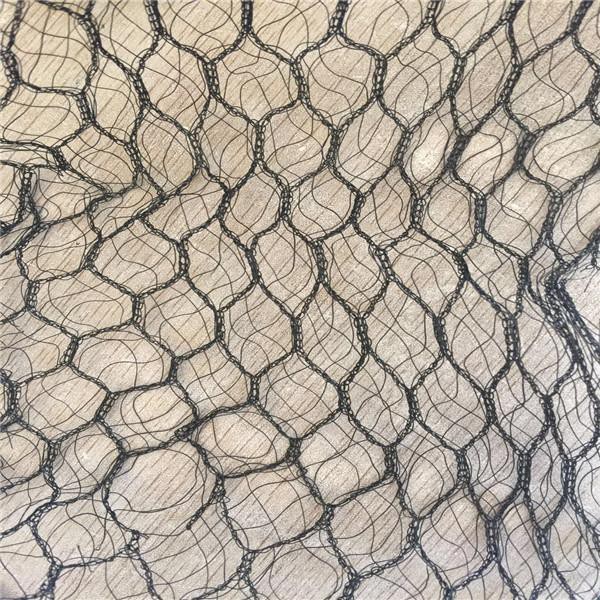
By reducing the intensity of sunlight, shade nets prevent the plants from getting overheated. This is crucial because high temperatures can stress the plants, slow down their growth, and even damage them. In a hydroponic system, where the plants are already in a controlled environment, adding a shade net can help maintain an optimal temperature for growth.
For example, if you're growing leafy greens like lettuce or spinach in a hydroponic greenhouse, a shade net with the right shade percentage can ensure that the plants don't wilt or develop a bitter taste due to excessive heat. It's like giving your plants a little sunhat to protect them from the harsh rays.
Insect Nets
Another type of agro net that's extremely useful in hydroponic farming is the insect net. Even in a controlled hydroponic environment, insects can still find their way in. These pests can cause a lot of damage to the plants by feeding on the leaves, stems, and fruits, and they can also spread diseases.
Insect nets act as a physical barrier, preventing insects from reaching the plants. They're made with fine mesh that allows air and light to pass through while keeping out even the smallest bugs. This means you can reduce the need for chemical pesticides, which is not only better for the environment but also for the quality of your produce.
For instance, if you're growing tomatoes in a hydroponic system, an insect net can keep out aphids, whiteflies, and other common tomato pests. This helps ensure that your tomatoes grow healthy and free from damage, giving you a better yield and a more marketable product.
Anti-Hail Nets
Anti-hail nets, like the Anti Hail System Anti Hail Net For Garden, might not seem as relevant at first, but they can still have a place in hydroponic farming. While most hydroponic setups are indoors or in protected structures, unexpected weather events can still pose a threat.
If you have an outdoor hydroponic system or a greenhouse that's vulnerable to hail, an anti-hail net can provide valuable protection. Hail can damage the plants, break the hydroponic equipment, and even cause structural damage to the greenhouse. An anti-hail net acts as a shield, absorbing the impact of the hailstones and preventing them from hitting the plants and equipment directly.
Installation and Maintenance
When it comes to using agro nets in hydroponic farming, proper installation and maintenance are key. You need to make sure that the nets are installed correctly to ensure maximum effectiveness. For example, shade nets should be installed at the right height and angle to provide uniform shading. Insect nets should be tightly secured around the growing area to prevent any gaps where insects could enter.
Maintenance is also important. Over time, the nets can get dirty, damaged, or worn out. Regularly cleaning the nets can help maintain their functionality. If you notice any holes or tears in the nets, it's important to repair or replace them as soon as possible to ensure continuous protection for your plants.
Cost-Effectiveness
One of the great things about using agro nets in hydroponic farming is that they're a cost-effective solution. Compared to other methods of temperature control, pest management, and protection from weather events, agro nets are relatively inexpensive.
For example, instead of investing in expensive air conditioning systems to cool down a hydroponic greenhouse, a shade net can provide a similar cooling effect at a fraction of the cost. And when it comes to pest control, using an insect net can save you money on pesticides and the labor associated with applying them.
Conclusion
In conclusion, agro nets can definitely be used in hydroponic farming, and they offer a wide range of benefits. Whether it's regulating temperature with shade nets, keeping pests away with insect nets, or protecting against hail with anti-hail nets, these agro nets can enhance the efficiency and productivity of your hydroponic setup.
If you're a hydroponic farmer or thinking about starting a hydroponic farm, I highly recommend considering the use of agro nets. They're a simple yet effective way to improve the health and yield of your plants.
If you're interested in purchasing agro nets for your hydroponic farm, feel free to reach out to me. I'm here to help you find the right type of net for your specific needs and ensure that you get the best value for your money. Let's work together to make your hydroponic farming venture a success!
References
- "Hydroponic Food Production: A Definitive Guidebook of Soilless Food-Growing Methods" by Howard M. Resh
- "Agricultural Netting: Types, Applications, and Benefits" by various agricultural experts


