


Hey there! As a supplier of U clips, I often get asked if these little guys can be used in electrical applications. Well, let's dive right into it and find out!
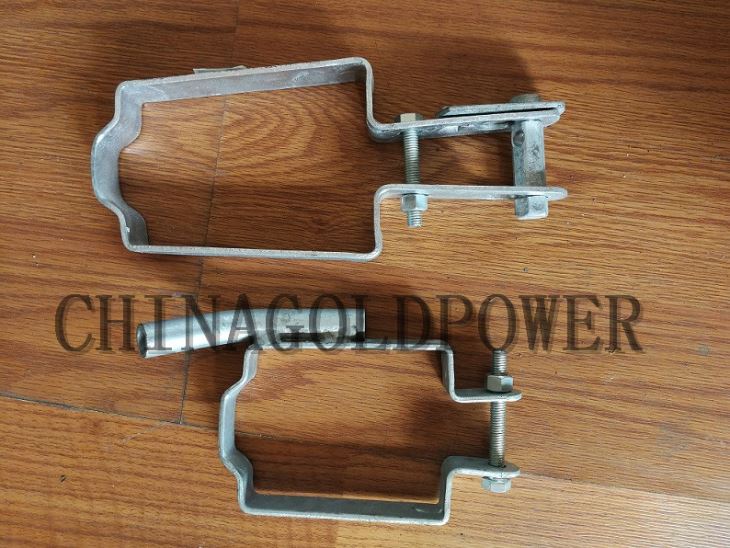
First off, what are U clips? They're basically small, U - shaped fasteners that can hold things together. They come in different sizes, materials, and finishes, which makes them pretty versatile. But when it comes to electrical work, we need to be a bit more careful.
The Basics of Electrical Applications
In electrical applications, safety is the number one concern. We're dealing with electricity here, which can be dangerous if not handled properly. So, any component used in an electrical setup needs to meet certain standards. These standards usually cover things like conductivity, insulation, and the ability to withstand heat and electrical stress.

Can U Clips Make the Cut?
Let's start with the good news. There are scenarios where U clips can be used in electrical applications. For example, if you're just looking to secure some non - live wires or cables in place, a U clip can do the job. Say you have a bunch of wires running along a wall and you want to keep them organized. A U clip can hold those wires together neatly without interfering with their electrical function.
However, there are some major red flags when it comes to using U clips in more critical electrical situations. One of the main issues is conductivity. Most U clips are made of metals like steel or aluminum. While these metals are conductive, they might not have the right properties for electrical circuits. The conductivity of a material in an electrical circuit needs to be consistent and appropriate for the current and voltage levels. Using a U clip that's not designed for electrical conductivity could lead to poor connections, which in turn can cause overheating, power loss, or even short circuits.
Another problem is insulation. In electrical work, proper insulation is crucial to prevent electrical shocks and fires. U clips typically don't have built - in insulation. If a U clip comes into contact with live wires in an improper way, it can create a path for electricity to flow where it shouldn't, putting people and equipment at risk.
Material Matters
The material of the U clip plays a huge role in its suitability for electrical applications. Steel U clips are strong and durable, but they can rust over time. Rust can affect the clip's performance and increase the risk of electrical problems. Aluminum U clips are lightweight and have good corrosion resistance, but they also have different electrical properties compared to materials specifically designed for electrical use.
If you're considering using U clips in an electrical setup, you might want to look for ones that are coated with an insulating material. This can help reduce the risk of electrical contact where it's not wanted. Some U clips are also made from non - conductive plastics, which can be a safer option for securing non - live wires.
Alternatives to U Clips in Electrical Work
If you're working on a more complex electrical project, there are better alternatives to U clips. Cable ties are a popular choice for securing wires. They're easy to use, come in different sizes, and are often made from non - conductive materials. Wire harnesses are another option. They're designed specifically for organizing and protecting electrical wires in a way that meets electrical safety standards.
Real - World Examples
Let's say you're setting up a home electrical system. You wouldn't want to use U clips to connect the main power lines. That's a job for proper electrical connectors like terminal blocks or wire nuts. However, you could use a U clip to hold some low - voltage wires from a security camera system in place. This way, you're using the U clip in a non - critical, non - live part of the electrical setup.
Our U Clip Offerings
As a U clip supplier, I can tell you that we have a wide range of U clips to suit different needs. While we don't claim that all our U clips are suitable for electrical applications, we can work with you to find the right solution. If you're just looking for a simple way to organize non - live wires, our standard U clips can be a great option.
And if you're in the agricultural sector, we also have some related products. Check out our Tightener Clamp for Anti Hail, Double Anti Hail Rope Tightener, and Wire Spring Clip. These products are designed for agricultural anti - hail applications and have their own unique features and benefits.
Making the Right Decision
So, can U clips be used in electrical applications? The answer is yes, but with a lot of caution. If you're unsure, it's always best to consult an electrician or an electrical engineer. They can assess your specific situation and tell you whether U clips are a good fit or if you should go with other options.
If you're interested in our U clips or have any questions about their use in your projects, whether electrical or otherwise, don't hesitate to reach out. We're here to help you make the right choice and find the best fasteners for your needs. Let's have a chat and see how we can work together to get your project done safely and efficiently.
References
- Electrical Safety Standards Handbook
- Material Science for Electrical Engineers
So, if you think our U clips could be a good fit for your project, drop us a line and let's start the conversation about your procurement needs!


