


Do loop caps have a sound - proof feature when opening?
As a dedicated loop cap supplier, I've often found myself in conversations about the various features and benefits of loop caps. One question that has recently come up more frequently is whether loop caps have a sound - proof feature when opening. In this blog post, I'll delve into this topic, exploring the science behind it and sharing some insights based on our experience in the industry.

The Basics of Loop Caps
Loop caps are a common type of closure used in a wide range of applications, from industrial settings to everyday consumer products. They are designed to provide a secure and reliable seal, preventing the contents of a container from leaking or spilling. The design typically consists of a loop - shaped cap that fits over the opening of a container, creating a tight seal.
Sound Generation During Opening
To understand whether loop caps have a sound - proof feature when opening, we first need to understand how sound is generated during the opening process. When a loop cap is opened, several factors can contribute to the production of sound.
One of the main sources of sound is the friction between the cap and the container. As the cap is twisted or pulled off, the surfaces of the cap and the container rub against each other, creating vibrations. These vibrations are then transmitted through the air as sound waves. The amount of friction and the resulting sound level can depend on several factors, such as the material of the cap and the container, the tightness of the seal, and the force applied during opening.
Another factor that can contribute to sound generation is the release of pressure. If the container has been sealed under pressure, such as in the case of a carbonated beverage or a pressurized aerosol can, the sudden release of pressure when the cap is opened can create a popping or hissing sound.
Sound - Proofing Features in Loop Caps
Now, let's explore whether loop caps can have sound - proof features. In theory, it is possible to design loop caps with features that reduce or eliminate the sound produced during opening.
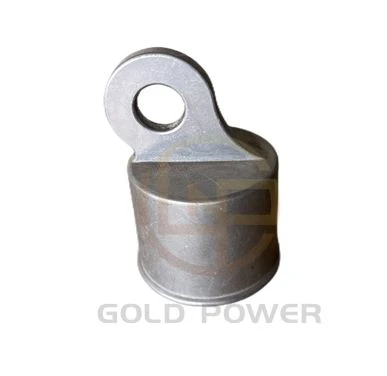
One approach is to use materials with sound - dampening properties. For example, some elastomers or soft plastics can absorb vibrations and reduce the amount of sound transmitted. By incorporating these materials into the design of the loop cap, it may be possible to minimize the noise generated when the cap is opened.

Another option is to design the cap with a mechanism that reduces the sudden release of pressure. For instance, a cap could be designed with a slow - release valve that allows the pressure to gradually equalize before the cap is fully opened. This would reduce the popping or hissing sound associated with pressure release.
However, it's important to note that achieving complete sound - proofing is extremely challenging. There are always going to be some factors that contribute to sound generation, and it may not be possible to eliminate all sources of noise. Additionally, the design features that are used to reduce sound may also have an impact on other aspects of the cap's performance, such as its sealing ability or ease of use.
Real - World Experience
In our experience as a loop cap supplier, we've found that while it is possible to reduce the sound produced during opening, achieving a truly sound - proof loop cap is difficult. We've worked with customers in various industries, including food and beverage, pharmaceuticals, and industrial applications, and have seen a range of requirements when it comes to noise reduction.
For some applications, such as in a quiet office environment or a library, even a small amount of noise can be a nuisance. In these cases, we've tried to develop loop caps with features that minimize sound. For example, we've used softer materials in the cap's construction and incorporated design elements that reduce friction.
On the other hand, in industrial settings where noise is already prevalent, the sound produced by opening a loop cap may not be a significant concern. In these cases, the focus is more on the cap's durability, sealing performance, and compatibility with the container.
Applications and Considerations
When considering whether sound - proof loop caps are necessary for a particular application, it's important to take into account the environment in which the product will be used.
In consumer products, such as cosmetics or personal care items, a quiet - opening loop cap can enhance the user experience. Customers may appreciate the lack of noise, especially if they are using the product in a public or quiet setting. For example, a woman applying lipstick in a restaurant may prefer a lipstick tube with a loop cap that opens quietly.
In industrial applications, the need for sound - proof loop caps may be less critical. However, in some cases, such as in a laboratory or a cleanroom environment where noise can interfere with sensitive equipment or experiments, a quiet - opening cap may be beneficial.
Related Products
As a loop cap supplier, we also offer a range of other products that may be of interest to our customers. For example, we supply Rail End, which are essential for chain - link fence installations. These rail ends provide a secure and stable connection for the fence rails, ensuring the overall integrity of the fence.

We also offer Two Way Gate Latch and One Way Gate Latch. These gate latches are designed to provide a reliable and easy - to - use solution for securing gates. The two - way gate latch allows the gate to be opened from either side, while the one - way gate latch restricts the opening direction.
Conclusion
In conclusion, while loop caps can potentially be designed with features that reduce the sound produced during opening, achieving complete sound - proofing is a challenging task. The ability to reduce noise depends on a variety of factors, including the materials used, the design of the cap, and the application in which it will be used.
As a loop cap supplier, we are committed to providing our customers with high - quality products that meet their specific needs. Whether you are looking for a loop cap with sound - reducing features or other related products such as rail ends and gate latches, we are here to help.
If you are interested in learning more about our loop caps or any of our other products, we encourage you to reach out to us for a procurement discussion. We look forward to working with you to find the best solutions for your requirements.
References
- "Materials Science and Engineering: An Introduction" by William D. Callister Jr. and David G. Rethwisch.
- "Handbook of Plastic Materials and Technology" edited by Irving I. Rubin.
- Industry reports on packaging and closure technologies.


