


As a supplier of agro nets, I've witnessed firsthand the diverse and crucial roles these nets play in modern agriculture. Agro nets, also known as agricultural nets, are versatile tools that have revolutionized the way we cultivate crops. In this blog, I'll delve into the main functions of an agro net and explain why they are indispensable for farmers and gardeners alike.
1. Protection Against Hail
One of the most significant functions of an agro net is its ability to protect crops from hail damage. Hailstorms can be devastating to agricultural fields, destroying entire crops in a matter of minutes. Anti-hail nets act as a shield, absorbing the impact of hailstones and preventing them from hitting the plants directly.
These nets are typically made from high-strength materials that can withstand the force of hailstones. They are installed over the crops using a support structure, creating a protective barrier. The mesh size of the net is carefully designed to allow sunlight, air, and water to reach the plants while blocking the hailstones.
For example, in vineyards, anti-hail nets are widely used to protect grapevines. Grapes are particularly vulnerable to hail damage, as the hailstones can break the delicate clusters and damage the leaves. By installing an anti-hail net, vineyard owners can significantly reduce the risk of crop loss due to hail.
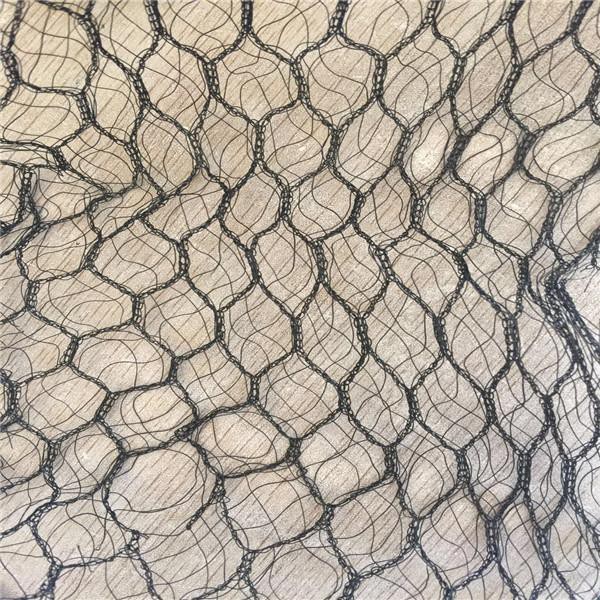
If you're interested in an anti-hail system for your garden, you can check out our Anti Hail System Anti Hail Net For Garden.

2. Shade Regulation
Agro nets are also used to regulate the amount of sunlight that reaches the crops. In regions with intense sunlight, excessive exposure can cause sunburn and heat stress to the plants, leading to reduced growth and yield. Shade nets are designed to filter out a portion of the sunlight, creating a more favorable growing environment.
The shade factor of a net is determined by its density and color. Nets with a higher density provide more shade, while lighter-colored nets reflect more sunlight. Farmers can choose the appropriate shade net based on the specific needs of their crops and the local climate.
For instance, in greenhouses, shade nets are commonly used to control the temperature and light intensity. By adjusting the position and density of the nets, growers can create a microclimate that is optimal for plant growth. This not only improves the quality and quantity of the harvest but also reduces the need for artificial cooling systems, saving energy and costs.
3. Pest and Insect Control
Another important function of agro nets is to protect crops from pests and insects. Insects such as aphids, whiteflies, and caterpillars can cause significant damage to plants by feeding on the leaves, stems, and fruits. Nets act as a physical barrier, preventing these pests from reaching the crops.
In addition to keeping out insects, agro nets can also deter larger pests such as birds and rabbits. Bird nets are commonly used in orchards to protect fruits from being eaten by birds, while rabbit nets are used in vegetable gardens to prevent rabbits from nibbling on the plants.
The mesh size of the net is crucial for effective pest control. Nets with a smaller mesh size can block even the smallest insects, while larger mesh sizes may be sufficient for keeping out birds and rabbits. Some nets are also treated with insecticides or repellents to enhance their pest control properties.
4. Wind Protection
Strong winds can cause physical damage to crops, such as breaking the stems, uprooting the plants, or blowing away the soil. Agro nets can be used to reduce the impact of wind on the crops by acting as a windbreak.
Windbreak nets are installed perpendicular to the direction of the prevailing wind, creating a barrier that slows down the wind speed. This reduces the force of the wind on the plants, preventing damage and improving their stability.
In addition to protecting the crops from wind damage, windbreak nets can also help to conserve soil moisture. By reducing the evaporation rate, the nets help to keep the soil moist, which is essential for plant growth.
5. Frost Protection
In cold climates, frost can be a major threat to crops, especially during the spring and fall seasons. Agro nets can be used to protect the plants from frost damage by creating a microclimate that is slightly warmer than the surrounding environment.
Frost protection nets are typically made from materials that have good insulation properties, such as polypropylene or polyethylene. These nets are installed over the crops at night, when the temperature drops, and removed during the day to allow sunlight and air to reach the plants.
The nets trap the heat radiated by the soil and the plants, creating a layer of warm air around them. This helps to prevent the formation of frost on the plants, reducing the risk of damage.
6. Support for Climbing Plants
Agro nets can also be used to provide support for climbing plants such as tomatoes, cucumbers, and beans. These plants have a tendency to grow vertically, and without proper support, they can become tangled and difficult to manage.
Climbing nets are installed in a vertical or diagonal position, providing a framework for the plants to climb on. The nets allow the plants to grow in an organized manner, making it easier to harvest the fruits and vegetables.
In addition to providing support, climbing nets also improve the air circulation around the plants, reducing the risk of diseases such as mildew and mold.
Conclusion
In conclusion, agro nets are versatile and essential tools for modern agriculture. They offer a wide range of functions, including protection against hail, shade regulation, pest and insect control, wind protection, frost protection, and support for climbing plants.
As a supplier of agro nets, we understand the importance of providing high-quality products that meet the specific needs of our customers. Our nets are made from durable materials and are designed to withstand the harsh conditions of the agricultural environment.
If you're interested in purchasing agro nets for your farm or garden, please don't hesitate to contact us. We'll be happy to discuss your requirements and provide you with a customized solution.
References
- Smith, J. (2018). Agricultural Nets: A Comprehensive Guide. Agricultural Publishing.
- Johnson, R. (2019). The Role of Agro Nets in Sustainable Agriculture. Journal of Sustainable Agriculture, 35(2), 123-135.
- Brown, A. (2020). Protecting Crops with Agro Nets: Best Practices. Farmer's Almanac.


