


Hey there! As a U clip supplier, I often get asked about the fatigue life of U clips. So, I thought I'd dive deep into this topic and share everything I've learned over the years.
First off, let's understand what we mean by "fatigue life." Fatigue life refers to the number of loading cycles a material or component can withstand before it fails due to fatigue. In the case of U clips, fatigue failure usually happens because of repeated stress, which can lead to cracks and eventually breakage.
There are a bunch of factors that can affect the fatigue life of U clips. One of the most important ones is the material they're made from. U clips can be crafted from various materials like steel, stainless steel, and aluminum. Each material has its own unique properties that influence its fatigue resistance.
Steel U clips are pretty common because they're strong and relatively inexpensive. But, they're prone to rusting if not properly coated. Stainless steel U clips, on the other hand, are corrosion - resistant, making them a great choice for outdoor or wet environments. Aluminum U clips are lightweight and also corrosion - resistant, but they might not be as strong as steel ones.
The design of the U clip also plays a crucial role. A well - designed U clip distributes stress evenly across its structure. For example, a U clip with smooth edges and a proper radius at the bends is less likely to develop stress concentrations, which can significantly reduce its fatigue life. Sharp corners or rough surfaces can act as stress raisers, causing cracks to form more easily.
Another key factor is the type of loading the U clip is subjected to. If it's under static loading, where the force remains constant, the fatigue life might be longer compared to dynamic loading. Dynamic loading involves forces that change in magnitude, direction, or both over time. For instance, in a vibrating machine, the U clips are constantly experiencing dynamic loads, which can wear them out faster.
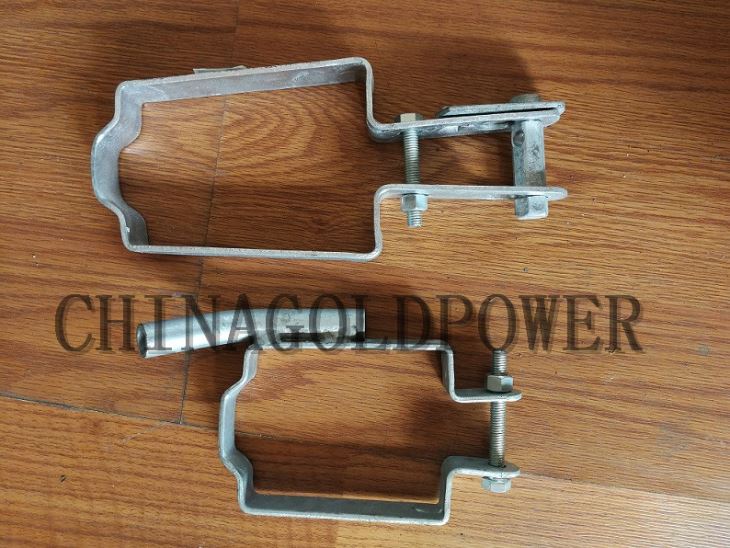
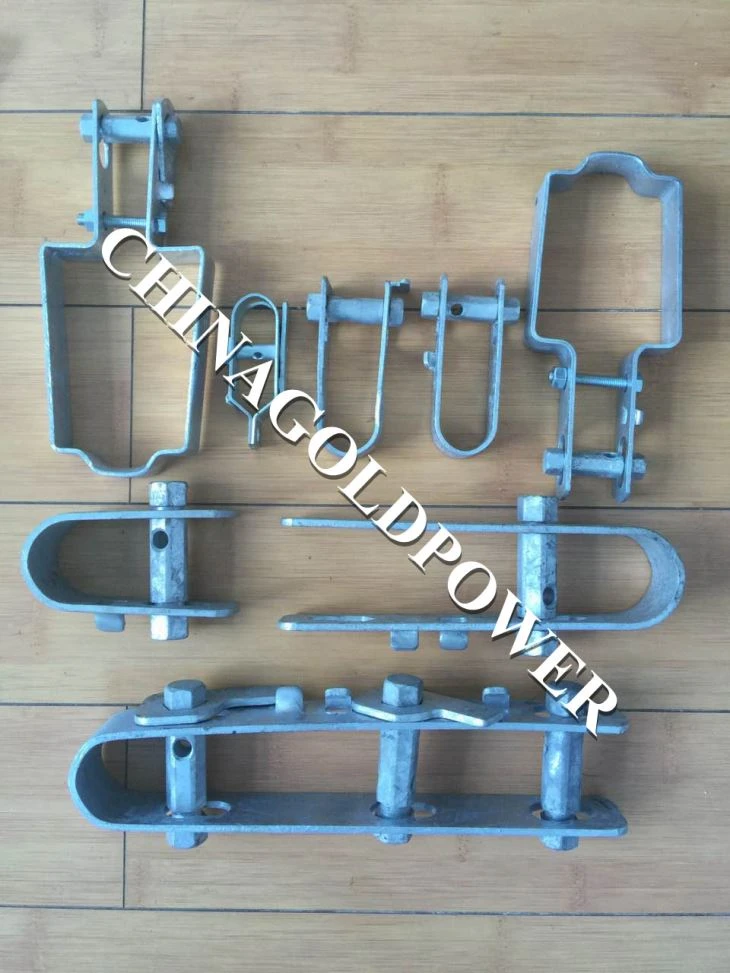
Let's talk about some real - world applications. In the agricultural industry, U clips are used in anti - hail systems. They help secure wires and other components in place. The Super Hook for Anti Hail System and Wire Tight Collar Wire Tightening Collar often work in conjunction with U clips. These systems are exposed to various weather conditions, including strong winds and hail. The U clips in such applications need to have a good fatigue life to ensure the long - term stability of the anti - hail setup.
In some cases, U clips are used in machinery. They might be holding pipes or cables in place. The Tightener Clamp for Anti Hail can also be a part of a machinery setup where U clips are used. Machinery can generate vibrations and shocks, which means the U clips are under dynamic loading. So, understanding their fatigue life is essential to prevent unexpected failures.
To determine the fatigue life of U clips, engineers often conduct tests. They use specialized equipment to apply cyclic loads to the U clips and monitor them for signs of damage. These tests can simulate real - world conditions as closely as possible. The data collected from these tests helps in predicting how long the U clips will last in actual use.
Manufacturers also have quality control measures in place. They ensure that the U clips are made with the right materials and have the correct dimensions. Heat treatment processes can be used to improve the material's properties and increase its fatigue resistance. For example, quenching and tempering steel can make it stronger and more resistant to fatigue.
Now, you might be wondering how you can extend the fatigue life of U clips. One simple thing is to keep them clean and dry. If they're exposed to dirt, moisture, or chemicals, it can accelerate corrosion and reduce their lifespan. Regular inspections are also a good idea. Look for signs of cracks, deformation, or corrosion. If you notice any issues early on, you can replace the U clips before they fail completely.
In terms of installation, make sure the U clips are installed correctly. Improper installation can cause uneven stress distribution, which can lead to premature failure. Follow the manufacturer's guidelines for torque values and installation procedures.
As a U clip supplier, I understand the importance of providing high - quality products. That's why we invest in research and development to improve the fatigue life of our U clips. We work closely with engineers and customers to understand their specific needs and develop solutions that meet or exceed their expectations.
If you're in the market for U clips, whether it's for an agricultural anti - hail system or industrial machinery, I'd love to talk to you. Understanding the fatigue life of U clips is crucial for making the right choice. We can discuss your application in detail and recommend the best U clips for your needs. Contact us to start the conversation about your U clip requirements and let's work together to find the perfect solution.
References
- "Mechanical Engineering Design" by Joseph E. Shigley and Charles R. Mischke
- "Materials Science and Engineering: An Introduction" by William D. Callister Jr. and David G. Rethwisch


