Hey there! As a stud supplier, I often get asked about the quality standards for studs in manufacturing. So, I thought I'd share my thoughts on this topic and give you a better understanding of what goes into making a high - quality stud.
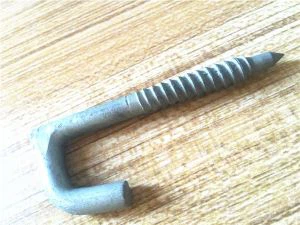
First off, let's talk about what a stud actually is. A stud is basically a threaded rod that's used to connect two parts together. They're super common in all sorts of industries, from construction to automotive. And just like any other product, there are certain quality standards that studs need to meet.
Material Quality
The material used to make a stud is crucial. The most common materials are steel, stainless steel, and brass. Each material has its own unique properties and is suitable for different applications.


Steel studs are strong and durable, making them a popular choice for heavy - duty applications. They can withstand a lot of stress and are resistant to deformation. But, they're also prone to rust if they're not properly treated. That's why galvanization is often used to protect steel studs from corrosion. Check out our Galvanized Earthing Rod for an example of a galvanized product. Galvanization involves coating the steel with a layer of zinc, which acts as a barrier against moisture and oxygen.
Stainless steel studs, on the other hand, are known for their corrosion resistance. They're made from an alloy that contains chromium, which forms a passive layer on the surface of the stud. This layer protects the stud from rust and other forms of corrosion, even in harsh environments. Stainless steel studs are often used in applications where aesthetics and durability are important, like in the food and beverage industry or in marine environments.
Brass studs are softer than steel and stainless steel, but they have excellent electrical conductivity. They're commonly used in electrical applications, where a good electrical connection is required.
Thread Quality
The threads on a stud are what allow it to be screwed into a part. So, the quality of the threads is really important. The threads should be well - formed, with a consistent pitch and depth. Any irregularities in the threads can cause problems when the stud is being installed or used.
For example, if the threads are too shallow, the stud may not hold securely in place. On the other hand, if the threads are too deep, they may strip or break under stress. The thread angle also needs to be correct. In most cases, the standard thread angle is 60 degrees, but there are other angles used for specific applications.
To ensure the quality of the threads, we use precision machining techniques. This allows us to create threads that meet the exact specifications required by our customers. We also perform regular inspections to check for any defects in the threads.
Dimensional Accuracy
Another important quality standard for studs is dimensional accuracy. The length, diameter, and other dimensions of the stud need to be within the specified tolerance. Even a small deviation from the required dimensions can cause problems during installation or use.
For instance, if a stud is too long, it may not fit properly into the hole. If it's too short, it may not provide enough engagement to hold the parts together securely. The diameter of the stud also needs to be accurate. If it's too large, it may not fit into the threaded hole, and if it's too small, it may not provide a tight enough fit.
We use advanced measuring tools, like calipers and micrometers, to ensure that our studs meet the required dimensional accuracy. Our quality control team checks each stud to make sure it falls within the specified tolerance range.
Mechanical Properties
The mechanical properties of a stud, such as its tensile strength, yield strength, and hardness, are also important quality standards. Tensile strength refers to the maximum amount of stress a stud can withstand before it breaks. Yield strength is the stress at which the stud begins to deform permanently. Hardness is a measure of how resistant the stud is to indentation or scratching.
These properties are determined by the material used to make the stud and the manufacturing process. For example, heat treatment can be used to improve the mechanical properties of a steel stud. By heating the stud to a specific temperature and then cooling it at a controlled rate, we can increase its strength and hardness.
We test the mechanical properties of our studs using specialized equipment. This allows us to ensure that our studs meet the required standards for different applications. For example, in the construction industry, studs need to have high tensile strength to support heavy loads. You can take a look at our Construction Threaded Rebar Bolt N20 X 600mm to see a product designed for construction applications.
Surface Finish
The surface finish of a stud can also affect its quality. A smooth surface finish can reduce friction during installation and prevent the stud from getting damaged. It can also improve the appearance of the stud.
We offer different surface finishes for our studs, depending on the customer's requirements. For example, we can provide a polished finish for studs that are used in applications where aesthetics are important. We can also provide a black oxide finish, which not only looks good but also provides some corrosion resistance.
Inspection and Testing
To ensure that our studs meet all the quality standards, we have a comprehensive inspection and testing process. This includes visual inspection, dimensional inspection, and mechanical testing.
During visual inspection, our quality control team checks the studs for any visible defects, such as cracks, scratches, or uneven surfaces. Dimensional inspection is done using precision measuring tools to ensure that the studs meet the required dimensions. Mechanical testing is used to determine the tensile strength, yield strength, and hardness of the studs.
We also keep detailed records of all our inspections and tests. This allows us to track the quality of our products over time and make any necessary improvements to our manufacturing process.
Why Choose Our Studs
As a stud supplier, we're committed to providing high - quality studs that meet the strictest standards. We use the best materials and the latest manufacturing techniques to ensure that our studs are reliable and durable. Our products are used in a wide range of industries, and we have a reputation for providing excellent customer service.
If you're in the market for studs, whether it's for a small DIY project or a large - scale industrial application, we'd love to hear from you. Our team of experts can help you choose the right stud for your needs and provide you with all the information you need. We can also work with you to develop custom studs if you have specific requirements.
So, if you're interested in purchasing studs, don't hesitate to contact us. We're here to make the procurement process as easy and hassle - free as possible. Whether you need a few studs or a large quantity, we can meet your needs.
References
- Machinery's Handbook: A comprehensive reference book on manufacturing processes, including information on fasteners and their quality standards.
- ASTM International Standards: A set of standards for various materials and products, including studs. These standards cover everything from material properties to testing methods.
- ISO Standards: International Organization for Standardization standards that provide guidelines for quality management and product quality in manufacturing.