


What is the stress relaxation of a stud rod?
As a seasoned stud rod supplier, I've witnessed firsthand the critical role these components play in various industries. Stud rods are essential fasteners used in a wide range of applications, from construction and automotive to aerospace and manufacturing. One of the key concepts that often comes up in discussions about stud rods is stress relaxation. In this blog post, I'll delve into what stress relaxation is, why it matters, and how it affects the performance of stud rods.
Understanding Stress Relaxation
Stress relaxation is a time - dependent phenomenon that occurs when a material is held at a constant strain. When a stud rod is tightened, it is subjected to a certain amount of initial stress. Over time, even if the external load remains constant, the stress within the stud rod will gradually decrease. This reduction in stress is known as stress relaxation.
The underlying mechanism of stress relaxation is related to the internal structure of the material. At the atomic level, atoms in a stressed material have a natural tendency to rearrange themselves to reach a more stable state. When a stud rod is under stress, the atoms are in a non - equilibrium position. As time passes, thermal energy allows the atoms to move and re - arrange, which in turn reduces the internal stress.
Factors Affecting Stress Relaxation
Several factors can influence the rate and extent of stress relaxation in stud rods.
Material Properties: Different materials have different propensities for stress relaxation. For example, materials with a higher creep resistance, such as some high - strength alloys, tend to have lower stress relaxation rates. The crystal structure of the material also plays a role. Materials with a more ordered crystal structure may be more resistant to stress relaxation.
Temperature: Temperature has a significant impact on stress relaxation. Higher temperatures provide more thermal energy to the atoms, enabling them to move more freely and re - arrange more quickly. As a result, stress relaxation occurs at a faster rate at elevated temperatures. In applications where stud rods are exposed to high - temperature environments, such as in engines or industrial furnaces, stress relaxation can be a major concern.
Initial Stress Level: The higher the initial stress applied to the stud rod, the greater the driving force for stress relaxation. When a stud rod is tightened to a very high pre - load, the internal stress is high, and the atoms are in a more unstable position. This leads to a more rapid reduction in stress over time.
Time: Stress relaxation is a time - dependent process. The longer the stud rod is under stress, the more the stress will relax. In long - term applications, stress relaxation can gradually reduce the clamping force of the stud rod, which may affect the integrity of the joint.
Implications of Stress Relaxation for Stud Rods
The stress relaxation of stud rods can have several important implications for their performance and the systems in which they are used.
Loss of Clamping Force: One of the most significant consequences of stress relaxation is the loss of clamping force. Stud rods are often used to hold components together, and the clamping force is crucial for maintaining the integrity of the joint. As stress relaxation occurs and the internal stress in the stud rod decreases, the clamping force also reduces. This can lead to loosening of the joint, which may cause vibrations, noise, and even component failure.
Impact on Structural Integrity: In structural applications, such as in buildings and bridges, the proper functioning of stud rods is essential for maintaining the overall structural integrity. If stress relaxation causes the stud rods to lose their clamping force, it can compromise the stability of the structure.
Safety Concerns: In safety - critical applications, such as in the aerospace and automotive industries, the loss of clamping force due to stress relaxation can pose serious safety risks. For example, in an aircraft engine, a loose stud rod can lead to the failure of a critical component, which could have catastrophic consequences.
Mitigating the Effects of Stress Relaxation
To address the issues associated with stress relaxation, several strategies can be employed.
Material Selection: Choosing materials with low stress relaxation rates is an effective way to minimize the impact of stress relaxation. High - strength alloys and materials with good creep resistance can be used in applications where stress relaxation is a concern.
Proper Installation: Ensuring proper installation of stud rods is crucial. This includes tightening the stud rods to the correct pre - load using the appropriate tools and techniques. Over - tightening or under - tightening can exacerbate the effects of stress relaxation.
Regular Inspection and Re - tightening: Regular inspection of stud rod joints can help detect any loss of clamping force due to stress relaxation. If necessary, the stud rods can be re - tightened to restore the proper clamping force.

Our Stud Rod Products and Stress Relaxation
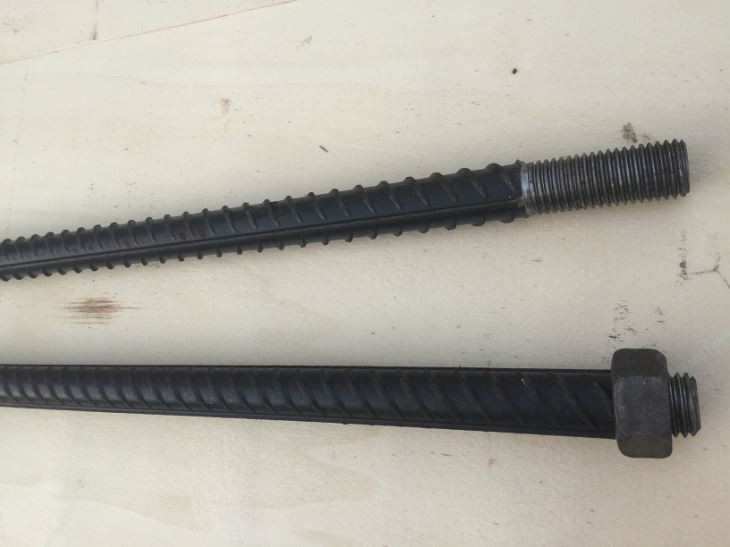
As a stud rod supplier, we understand the importance of stress relaxation and its impact on the performance of our products. We offer a wide range of stud rods made from high - quality materials that are carefully selected to minimize stress relaxation. Our products are suitable for various applications, including Outdoor Steel Screw Tent Peg Stake, Reinforcing Starter Bar Deformed Bar For Building Material, and Double Arming Bolt Full Thread Bolt with Square Nut.
We also provide technical support to our customers to help them select the right stud rods for their specific applications. Our team of experts can assist in understanding the factors that may affect stress relaxation in their systems and recommend appropriate solutions.
Conclusion
Stress relaxation is an important phenomenon that can significantly affect the performance and reliability of stud rods. By understanding the factors that influence stress relaxation and taking appropriate measures to mitigate its effects, we can ensure the long - term performance of stud rod joints. As a stud rod supplier, we are committed to providing high - quality products and excellent service to our customers. If you have any questions about stud rods or stress relaxation, or if you are interested in purchasing our products, please feel free to contact us for further discussion and procurement negotiation.
References
- Callister, W. D., & Rethwisch, D. G. (2018). Materials Science and Engineering: An Introduction. Wiley.
- Dieter, G. E. (1986). Mechanical Metallurgy. McGraw - Hill.


